A drug-discovery engine that thinks in binding energy.
A binding-affinity engine that pairs a transformer pre-screen (PLAPT) with physics-based molecular docking (AutoDock Vina) to triage drug candidates in minutes, not weeks.
Most candidates fail late and expensively
to move one molecule from screen to clinic, most of it spent testing dead ends.
of possible small molecules; wet-lab and docking can only touch a sliver by hand.
is where the leverage is. Rank first with AI, then spend physics only on the survivors.
ONCO-01, a molecule that changed its mind
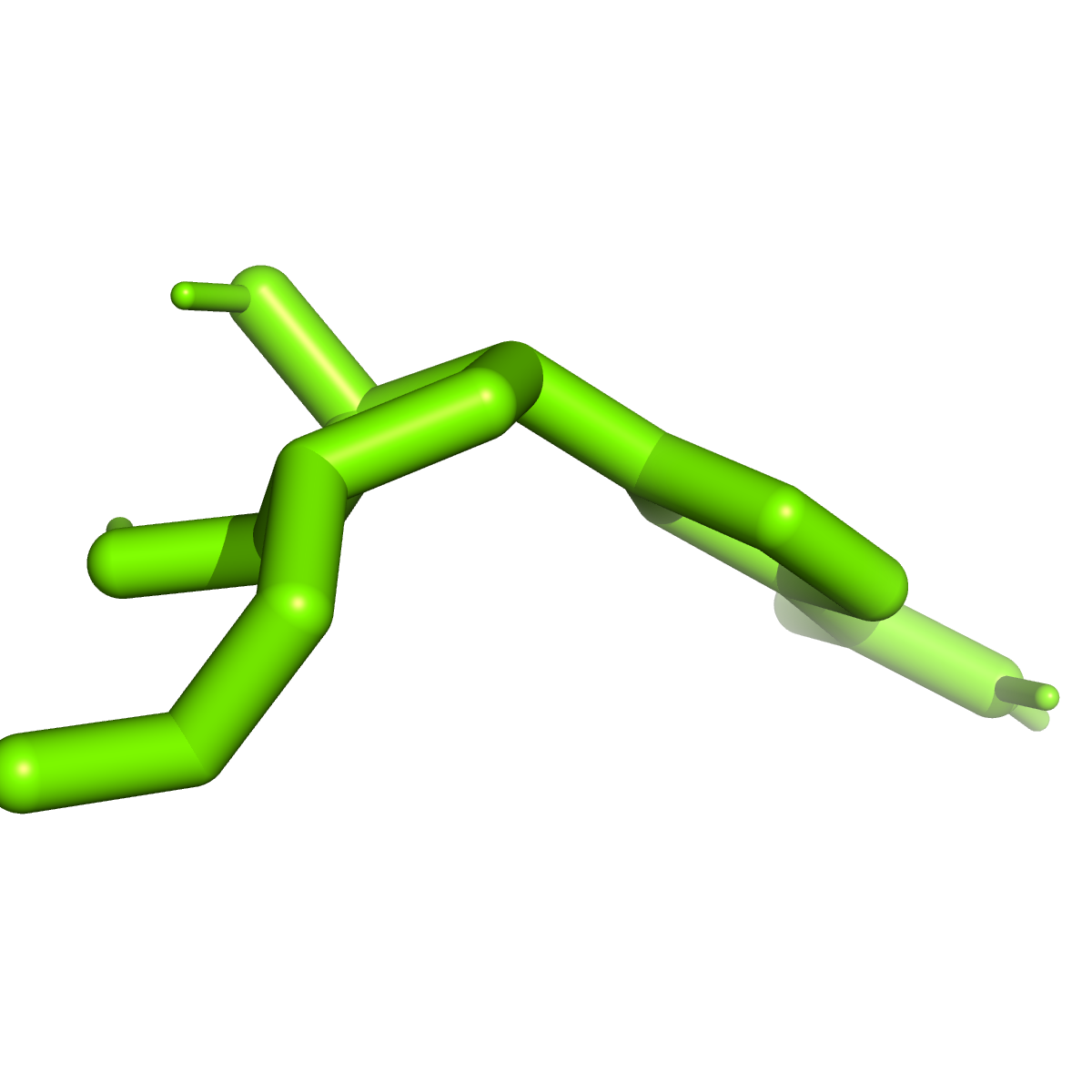
ONCO-01 (also FMD-Alpha-01) is a triazole nucleoside analog. It was designed to hit a Foot-and-Mouth Disease virus enzyme, but when the platform screened it broadly, it bound a human cancer target far more tightly. Designed as a Foot-and-Mouth Disease antiviral; re-profiled by the platform into an oncology lead.
COC[C@H]1O[C@@H](n2cnc(C(N)=O)n2)[C@H](O)[C@@H]1OFour targets, one clear winner
Lead settles into the catalytic TERT pocket, the strongest of the four. This is what re-profiled ONCO-01 from antiviral to oncology.
Deliberately weak binding to a housekeeping enzyme, a wide selectivity window means less off-target toxicity.
The molecule's birthplace target. The lead now binds telomerase ~2.2 kcal/mol more tightly, evidence of a genuine profile pivot.
No stable pose in the P-gp efflux pump, the drug is not pumped back out, so it persists inside the cancer cell.
A wide safety window
Telomerase over DNA Polymerase α. The lead grips the cancer target far harder than the housekeeping enzyme it must avoid, the margin that separates a drug from a poison.
No efflux. ONCO-01 does not bind the P-gp pump, so the cell can't spit it back out, it stays where it needs to be.
AI proposes, physics confirms
Hybrid screening
Automated pipeline
Every step is scripted and reproducible: RDKit + Meeko build and protonate the molecule, PLAPT ranks it, AutoDock Vina docks it at exhaustiveness 32, and a rule-of-five audit closes the loop.
Passes the rule of five, cleanly
From concept to candidate
Retrospective validation on known binders; expand the target panel.
Generative design, let the model propose new analogs, then screen them.
ADMET & toxicity models bolted onto the same pipeline.
A shortlist a medicinal chemist trusts, ready for wet-lab synthesis.
See the whole workflow run against a real candidate. The interactive console is one click away.
Launch the console →